The concrete sanctuary at Europa’s furthest fringe
On the least-visited of the Canary Islands, a New clifftop retreat offers a austere version of luxury - bookable only by handwritten letter
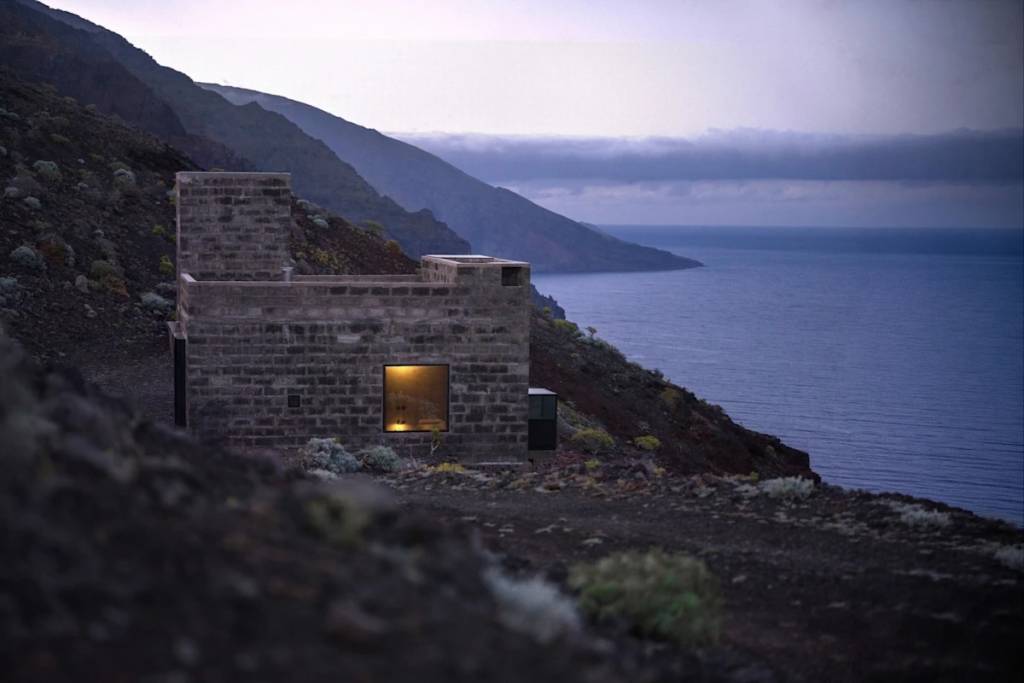
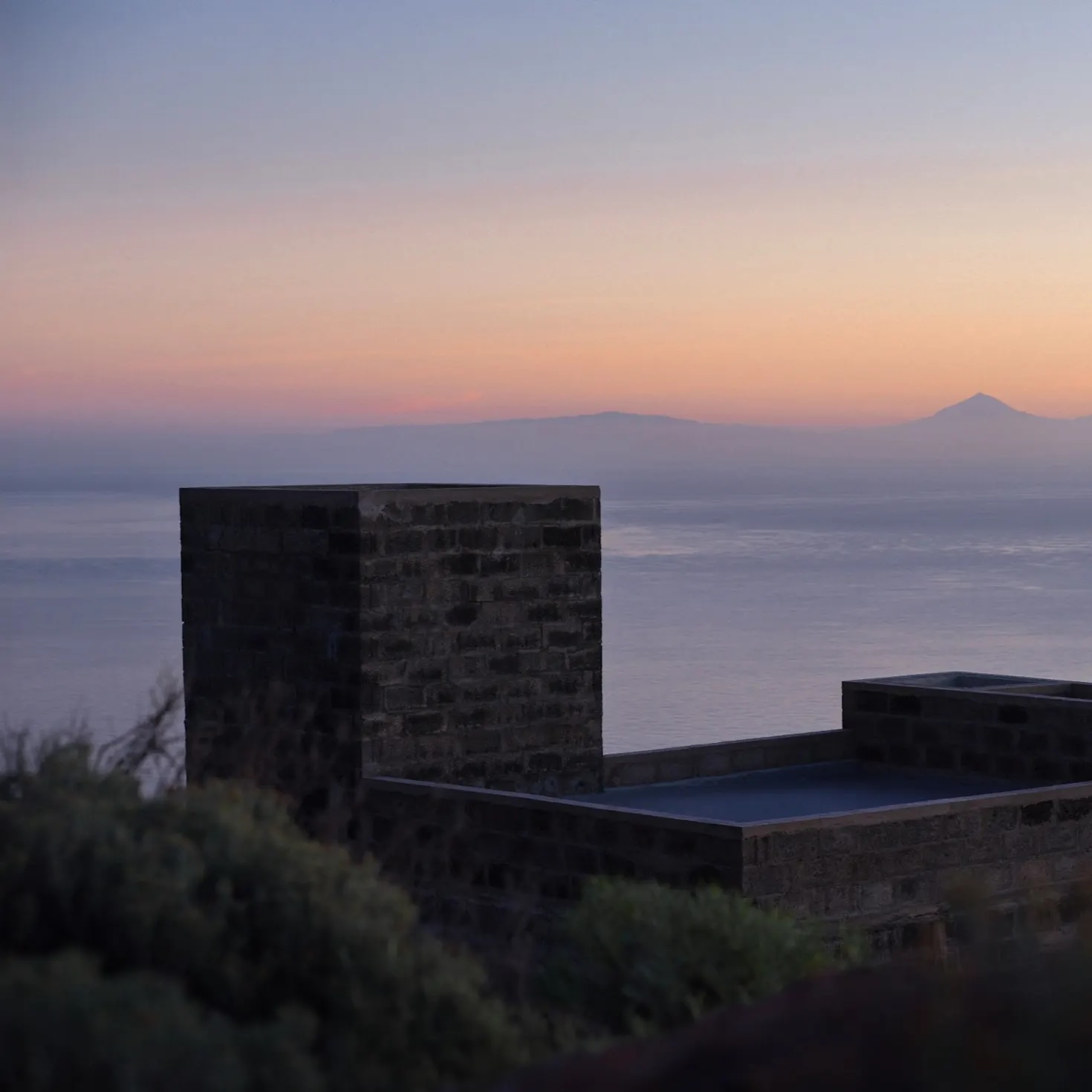
The house is a small cuboid form in rough grey concrete, standing alone in a desolate volcanic landscape. It has the air of a military bunker, or maybe a secret research centre like something out of The X Files. A few steps away, a cliff edge plummets to the Atlantic Ocean, 250 metres below. For sure, this is hardly your usual short-let tourist apartment.
El Elevador is the latest offering from Tenerife-based entrepreneurs Alberto del Hoyo and Silvia Rodríguez, whose BeTenerife brand was among the first to bring upmarket stays in characterful properties to an island better known for large-scale package tourism.
The couple’s next step is a radical move. Commandeering an abandoned pumping station on the neighbouring island of El Hierro — the westernmost and least visited of the Canaries — they have transformed the industrial building into a brutalist cabin, a Walden for our time. They say the project was partly inspired by the less-is-more philosophy of Michael Easter in The Comfort Crisis, with its emphasis on simplicity, silence and disconnection from the outside world.
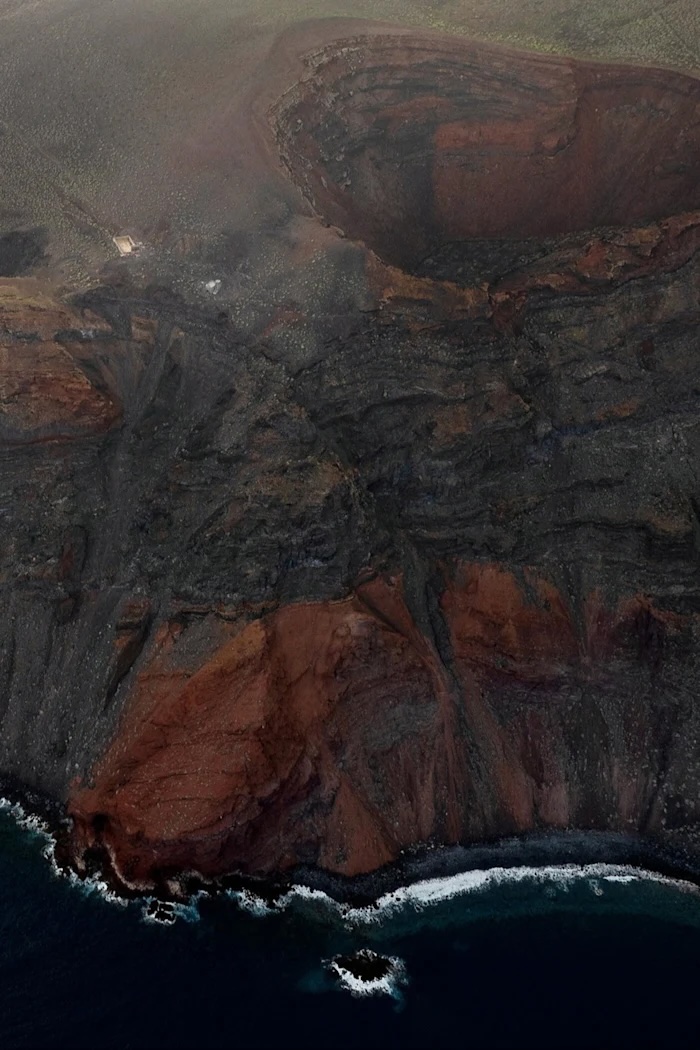
Elevar in Spanish means “to raise”. The building’s story originates in El Hierro’s historic problem of drought, which forced thousands of herreños to emigrate, mainly to Cuba and Venezuela, during the first half of the 20th century. (Many of their descendants have since returned.) For centuries, islanders had known of a freshwater spring at sea level, practically inaccessible except by boat, below the towering lava cliffs of Iramas in the island’s far south.
It was during the 1960s that Juan Casañas, owner of a local flour mill, designed and executed (largely by himself and by hand) a system by which water could be pumped up from the spring via pipes inside the rock to supply the nearby fishing village of La Restinga.
Struck by the building, which originally housed the pumping machinery but was in a ruinous state by the time they found it in 2021, and by the heroic achievement of the doughty Casañas, del Hoyo and Rodríguez hired Canarian architect Alejandro Beautell to create a wilderness lodging that would navigate the fine line between austerity and comfort.
Beautell specialises in poured concrete and a rough-edged post-industrial vibe, and has had particular success with his projects for new-build churches and chapels. (His Stella Maris chapel in El Pris, Tenerife, won a Faith & Form International Award for Religious Architecture in 2017.) To judge by my stay at El Elevador last month, just a few days after its completion, he has fulfilled his remit to the max.
I flew from Madrid to Tenerife, then took a short hop to El Hierro on a turboprop plane, with red leather seats, belonging to the regional airline Binter. We landed at the island’s tiny airport after a white-knuckle approach that felt as though the plane was skimming the ocean.
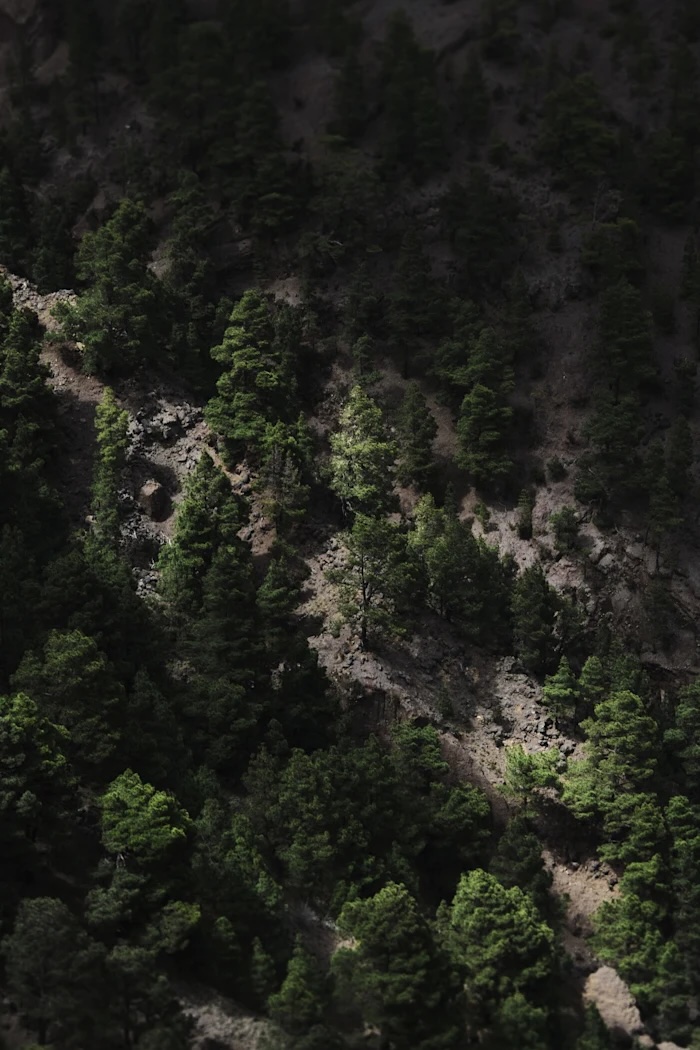
Del Hoyo and Rodríguez picked me up in their Jeep and we drove across the island, passing through a diversity of landscapes, from dense subtropical forests and shady pinewoods to the dark volcanic badlands of the south. Country villages such as Isora and El Pinar, with their white-painted houses and clay-tiled roofs, had a flavour of the Mediterranean, while the grassy uplands of the interior, where cows grazed amid thick skeins of Atlantic mist, might have been southern Ireland. From the road to La Restinga we turned down a long dusty track towards the little grey house on the clifftop.
Later, as the couple’s Jeep pulled away again, it was strange, but also thrilling, to think that this concrete cube on the edge of the world would be my home for the next four days.
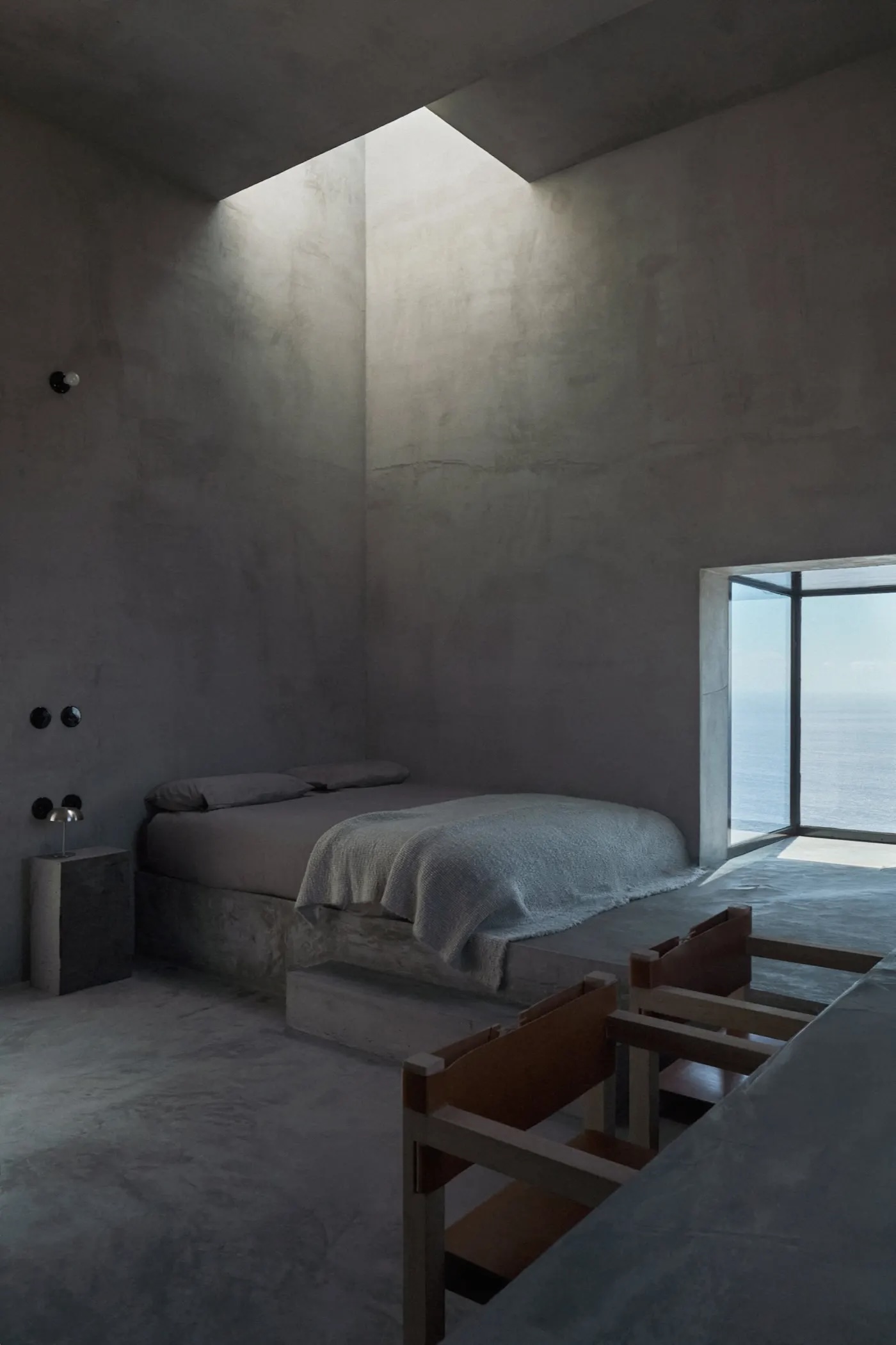
Left to my own devices, I began a close inspection of the building. The outer wall retained the weathered breeze blocks of the original pumping station, but the interior was a single diaphanous space in unadorned grey concrete, its varied levels lending interest and volume to a floor plan no larger than 60 square metres.
Rigorously, not to say ruthlessly, minimalist in style, El Elevador had the monastic calm of a 21st-century chapel. The cooker, kettle and crockery were housed discreetly in a central unit made of black-lacquered steel. Windows framed abstract scenes of lava slopes in tones of charcoal grey and chocolate brown; tough-looking desert plants threw long shadows in the evening light.
In a glass-walled eyrie jutting from an outer wall like the bridge of a ship, I sat and stared into the vastness of the ocean beyond the cliff edge. Outside, a warm wind whistled around the rocky terrain.
The house had no WiFi, phone reception, television or other forms of digital tech. In other ways, however, El Elevador was very well appointed: the Egyptian cotton sheets and towels were by high-end Catalan brand Bassols; the solid steel French pots and pans by Mauviel; the handblown, eye-wateringly expensive wine glasses from Josephinenhütte. The fridge was filled with local wines, pastries and cheeses to be sliced with handmade traditional knives from Gáldar in Gran Canaria. The original six-metre-high tower, once containing an electrical transformer, was now a glass-roofed bathroom where the shower was a gush of water from a pipe high above you on the wall.
For all its furrow-browed minimalism, the house was full of surprises. In a cupboard I found a 1930s Remington typewriter in perfect working order and a vintage Hasselblad camera with a 12-shot roll of Ilford film, apparently for the use of guests. There was handmade Japanese writing paper and a stick of sealing wax. Among a sheaf of papers held together with an old-fashioned bulldog clip were photographs illustrating the titanic effort involved in the rebuilding work.
Among the papers, typewritten statements by del Hoyo and Beautell revealed the philosophical underpinnings of the project. Deliberately shearing away everything frivolous and noisy about modern life, they seemed to suggest, was at the heart of the matter. “Boredom, far from being a lack of something, brings us to a point where distractions disappear and we begin to have a conversation with ourselves,” wrote del Hoyo.
Some may find such proselytising from the landlord of their holiday rental a bit overbearing but, alone in the cabin that first night, with a book to read and no background digital chatter to contend with, I saw what he meant.
But by next morning it was time to leave the capsule, if I dared. In a hire car I roamed the island from end to end. El Hierro seemed to pack a great deal of wildness into its modest 268 sq km (about half the size of Ibiza). The western flank, almost entirely uninhabited, had forests of pine, centuries old and twisted by wind and weather into bizarre and sinister shapes.
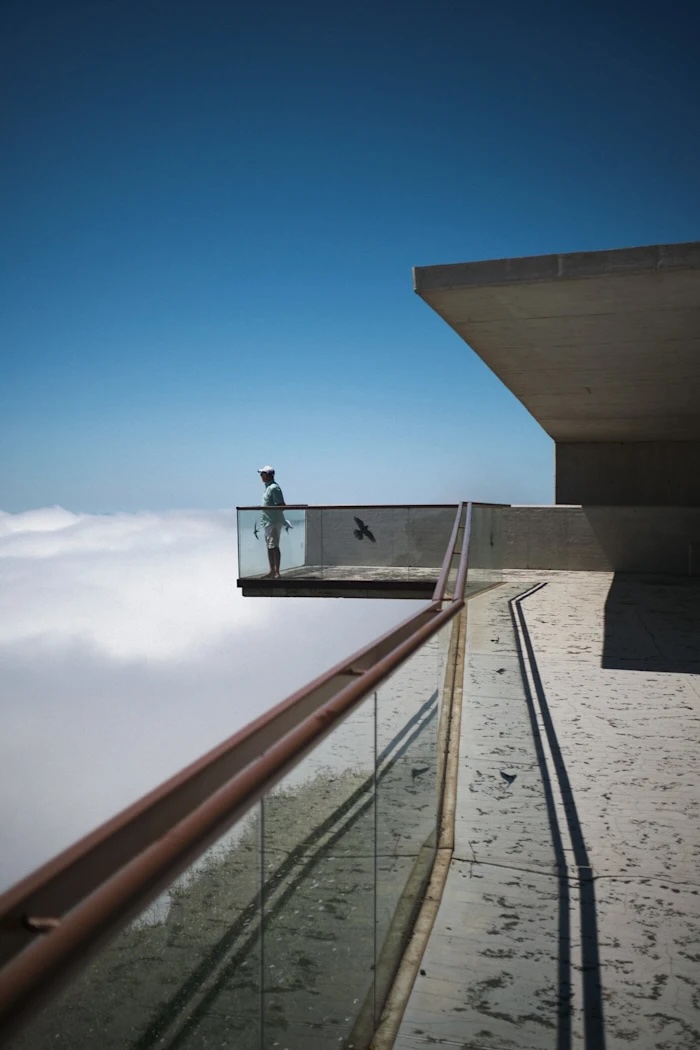
There were huge views: at the Mirador de Jinama, one of a series of spectacular lookouts, I peered over a precipice into the mar de nubes — a snow-white “cloud sea” formed by humidity blown on to the island by the trade winds and held within El Golfo, the 15km-wide half-crater of a former volcano (one side of which has collapsed into the sea).
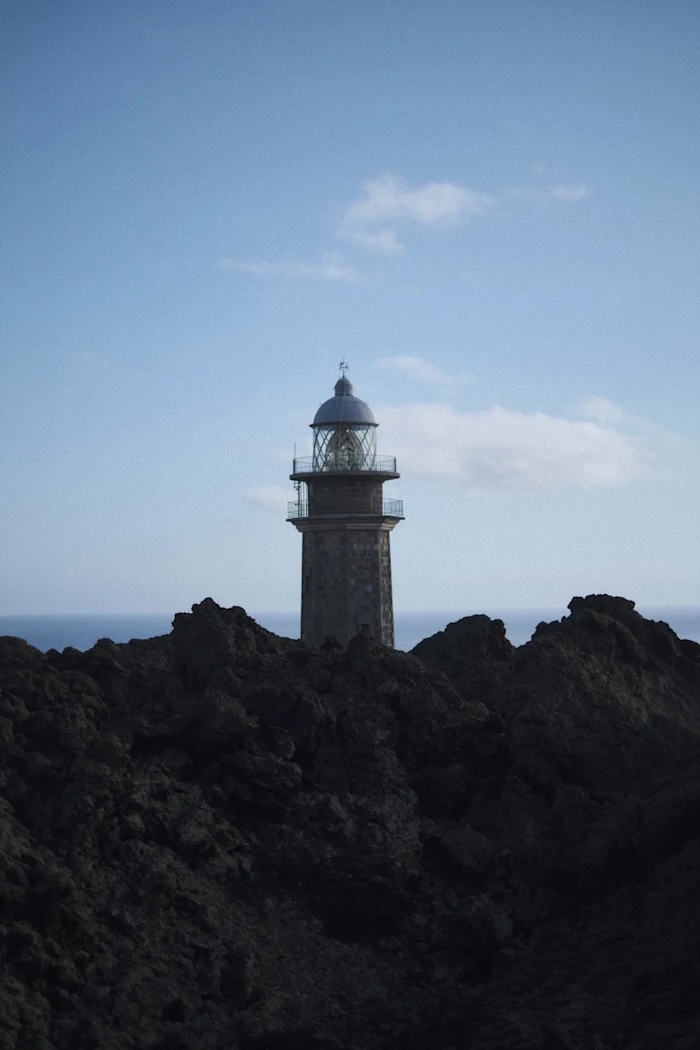
From La Frontera, a small agricultural town in the island’s northern lowlands where small pineapples are grown, I headed west along a switchback road threading through a lava field. The stone tower of Orchilla lighthouse, blinking into the Atlantic, reminded me that until Columbus found there was a lot more world out there, this truly was the end of the line.
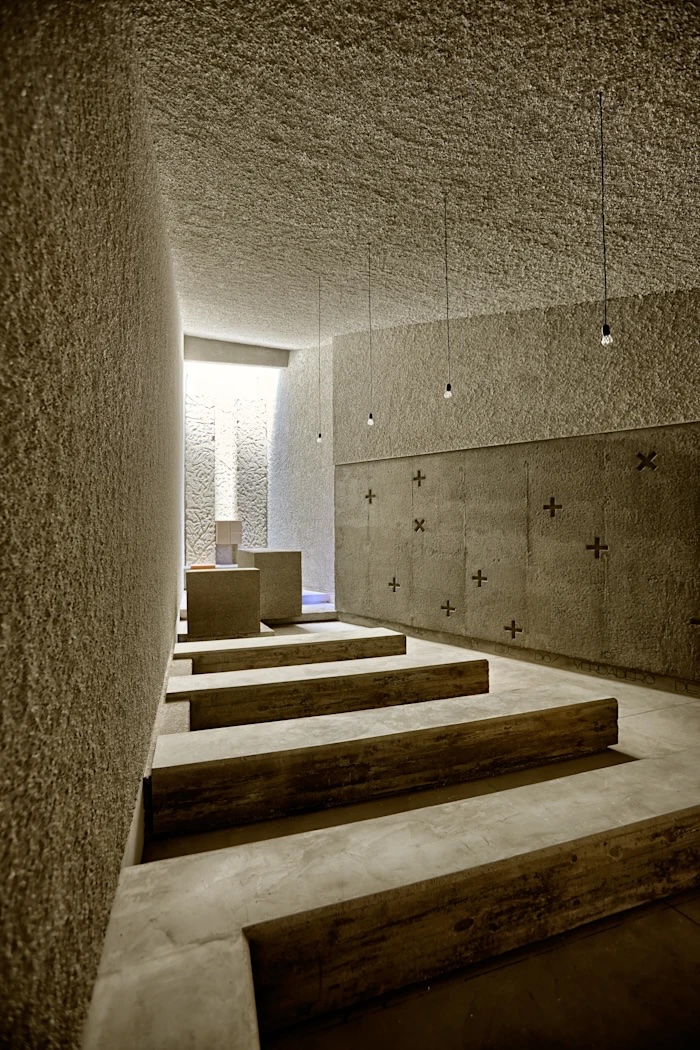
Another viewing point, the Mirador de la Peña, was a typically quirky building by Lanzarote architect and artist César Manrique, housing a restaurant with floor-to-ceiling windows above a hair-raising 650-metre-high section of the crater wall. Visiting the Ermita de San Juan in La Frontera, a church in grey concrete designed by Beautell in 2013, only increased my admiration for the architect’s work at El Elevador. Here, as in the clifftop bunker, the rudimentary nature of the material was leavened by simple effects such as the shafts of sunlight beaming down through apertures in the roof.
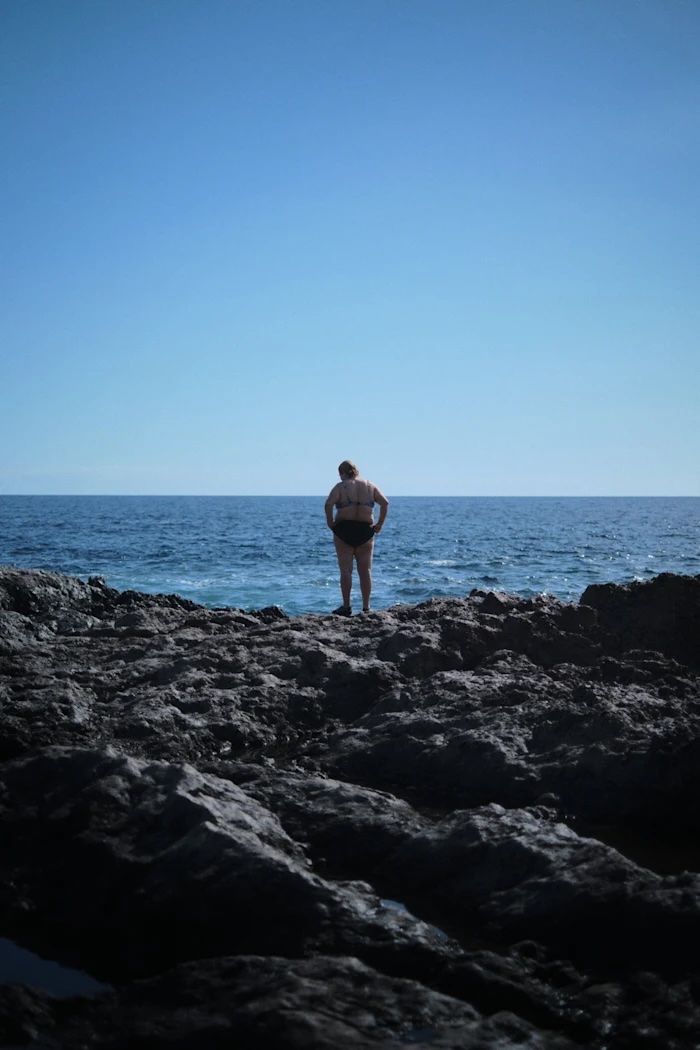
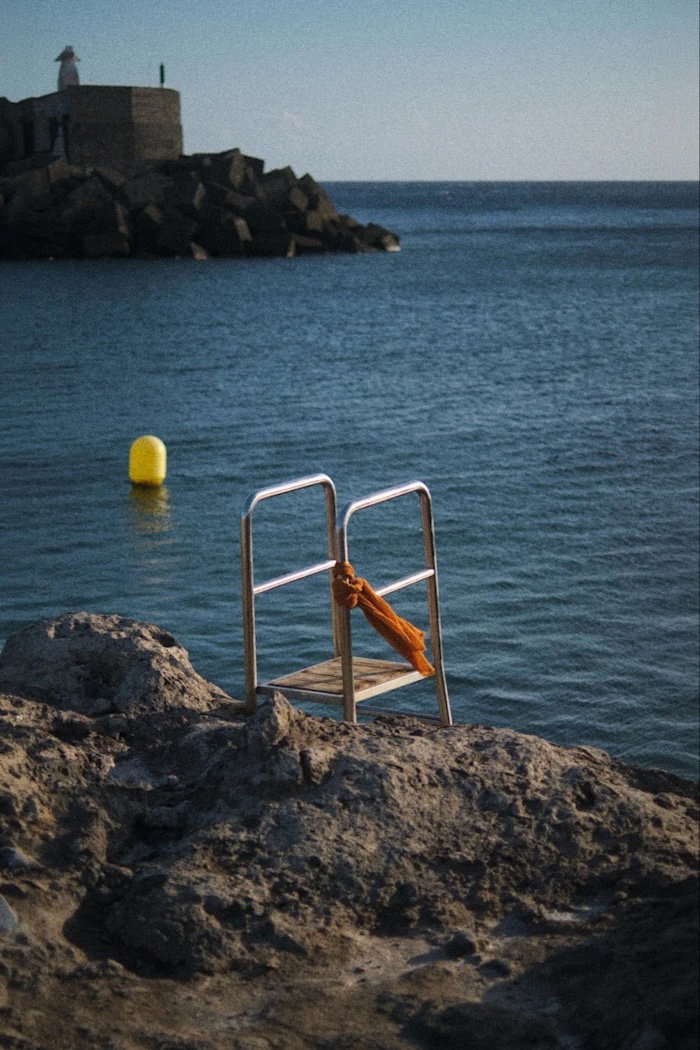
The island received just 21,970 international tourists last year, compared with 16.3mn for the Canaries as a whole. El Hierro’s near-total lack of sophistication is part of its charm; you’ll ask Gemini in vain for hip hotels or cool Airbnb stays, and upscale lodgings are few and far between. Apart from El Elevador and the classic Puntagrande (self-styled “smallest hotel in the world” with just four rooms), the best place to stay is the Parador, a pleasant iteration of this popular chain mimicking the white-walled, pitch-roofed local architecture. The island has few beaches — this being often cited as one of the factors saving it from mass tourism — but instead has tidal pools, or charcos, tucked into the black lava coast, where the calm, clear water is perfect for snorkelling.
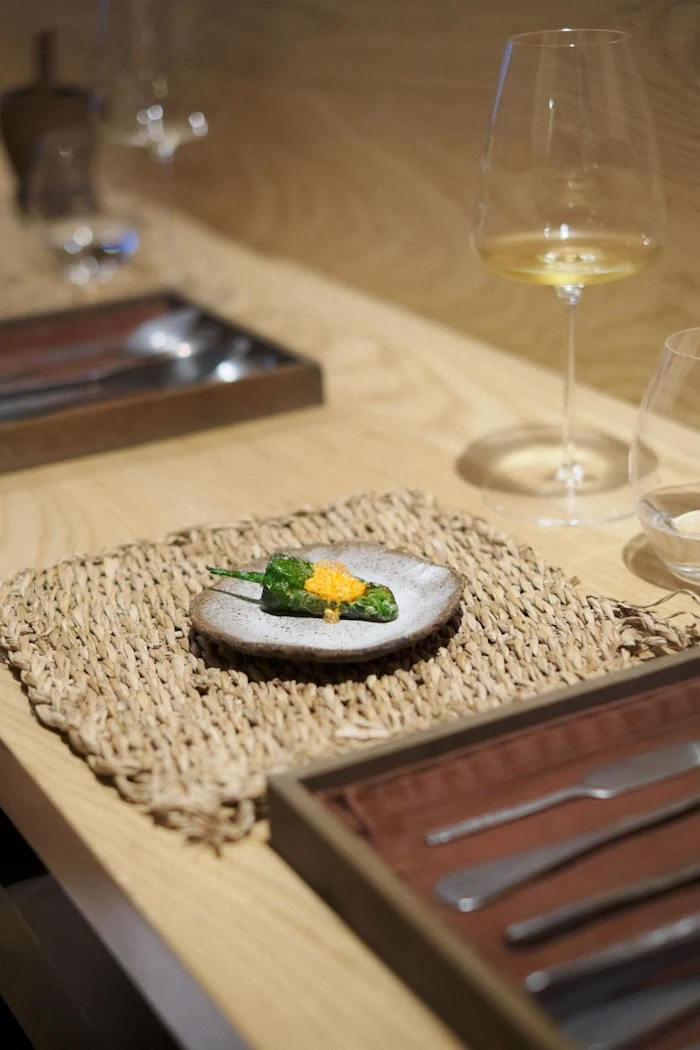
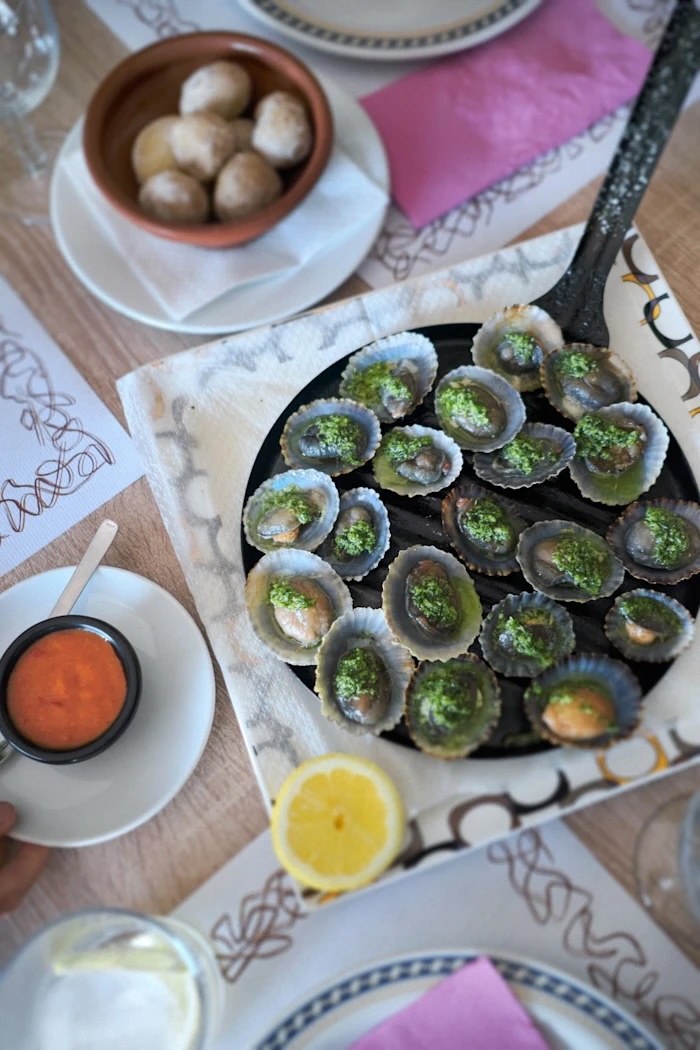
El Hierro’s food scene revolves around simple restaurants serving traditional herreño dishes such as grilled limpets (chewy but flavoursome), carne fiesta (braised pork or chicken aromatised with garlic and paprika) and the chickpea stew ropa vieja. Island produce is the star: I found super-fresh fish in La Restinga, organic meats in El Pinar, and aromatic wines from indigenous grape varieties such as Vijariego and Baboso Blanco, grown in pocket-sized vineyards protected by drystone walls. The Frontera pineapples, their edge of acidity marking them out from sweeter tropical varieties, were some of the most delicious I’d tasted.
The island’s one fine-dining experience is 8Aborigen in Valverde, where the menu is the fruit of chef Marcos Tavío’s research into the food culture of El Hierro’s pre-Hispanic peoples. Serving just eight diners around a bar top, Tavío offers dishes such as octopus with seaweed and toasted gofio flour (a Canarian staple both ancient and modern) and tuna with a fig leaf infusion, presented in clay bowls recalling the forms of pre-colonial pottery.
Back at El Elevador, I plunged again into the building’s perfectly soundproofed, monkish silence. My sleep quality had surely improved, untrammelled by digital overload, over the past few days. I wondered what kind of client might enjoy this curious experience — perhaps a burnt-out chief executive looking for total digital detox, a hardcore architecture aficionado, or someone simply bored by the banalities of modern tourism.
Details: Paul Richardson was a guest of El Elevador (elelevador.com) and BeTenerife (betenerife.com)
View this article @ Financial Times